
How to Start a Fitness Clothing Brand in 2027: The Complete Launch Blueprint
The global activewear market is more competitive than ever, yet consumer demand for specialized athletic apparel continues to surge. In 2027, slapping a logo onto generic wholesale blanks is no longer a viable business model. Modern athletes and gym-goers expect squat-proof opacity, seamless moisture management, and tailored silhouettes.
To successfully start a fitness clothing brand in 2027, you must approach your launch like a technical apparel company. This step-by-step B2B blueprint covers everything from niche positioning and textile sourcing to low-risk OEM manufacturing.
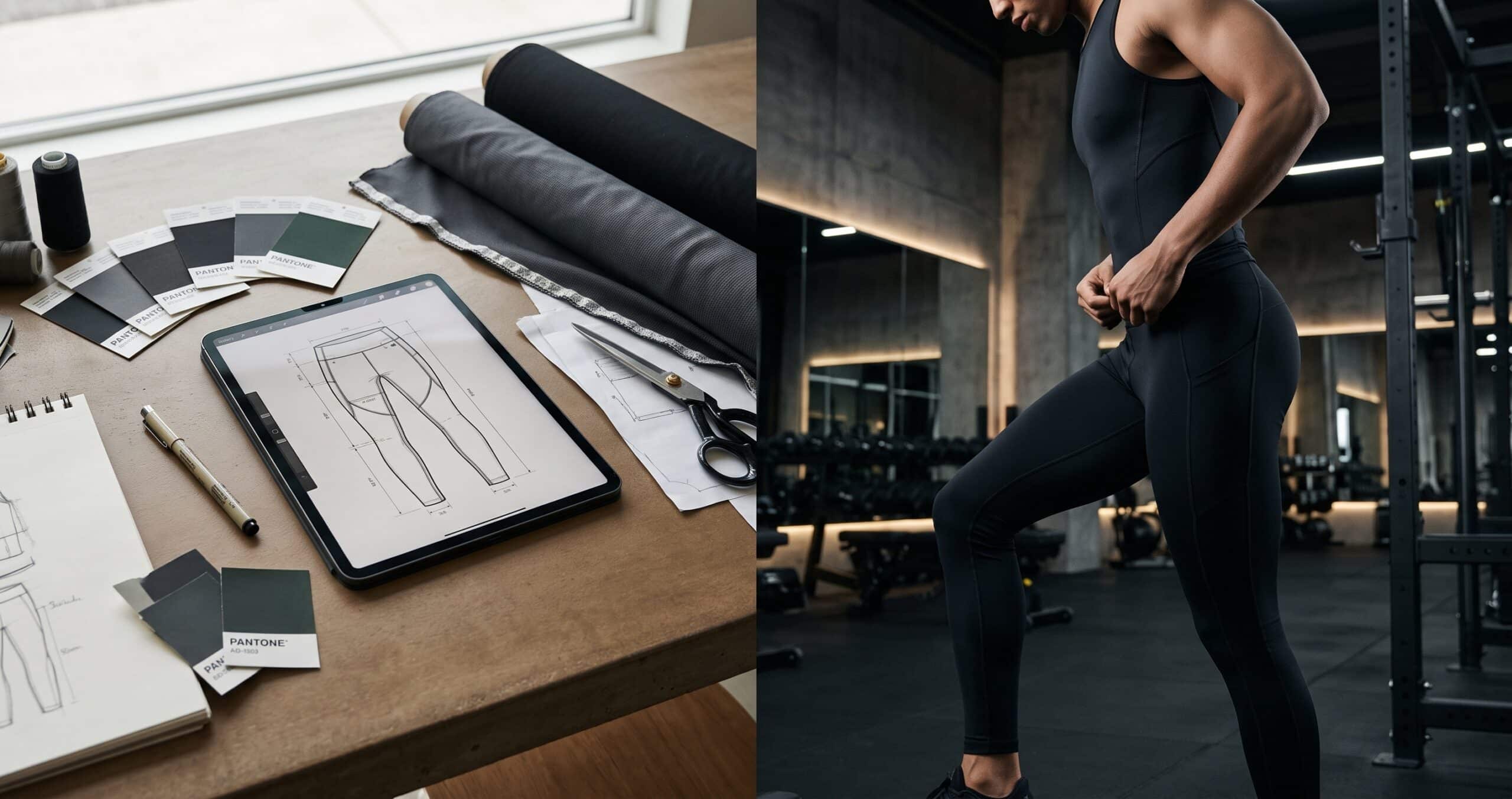
Step 1: Define a Hyper-Specific Fitness Niche
How to Successfully Start a Fitness Clothing Brand in 2027
Broad “gym wear” brands struggle to acquire customers affordably. The most profitable startups in 2027 dominate a specific sub-culture within fitness before expanding their catalog.
- Hybrid Athletes & Runners: Require ultra-lightweight, reflective, moisture-wicking fabrics with secure pocket storage.
- Strength & Powerlifting: Demand heavyweight 400+ GSM oversized “pump cover” hoodies and high-compression shorts that resist barbell abrasion.
- Pilates, Yoga & Studio: Prioritize buttery-soft, brushed nylon blends with second-skin 4-way stretch and minimalist aesthetics.
Defining your exact audience dictates your fabric weights, seam construction, and retail pricing strategy from day one.
Step 2: Source 2027-Ready Technical Performance Fabrics
Fabric selection is where fitness brands either earn lifelong repeat buyers or suffer high return rates. Performance garments must actively pull sweat away from the skin while maintaining structural recovery after intense movement.
For lower-body compression gear like leggings and biker shorts, the industry benchmark remains a high-density blend of Nylon and spandex (typically 75% Nylon / 25% Spandex at 280–320 GSM) to guarantee complete squat-proof opacity. For training tops, lightweight micro-mesh polyester (150–180 GSM) or eco-conscious recycled polyester blends provide superior breathability.
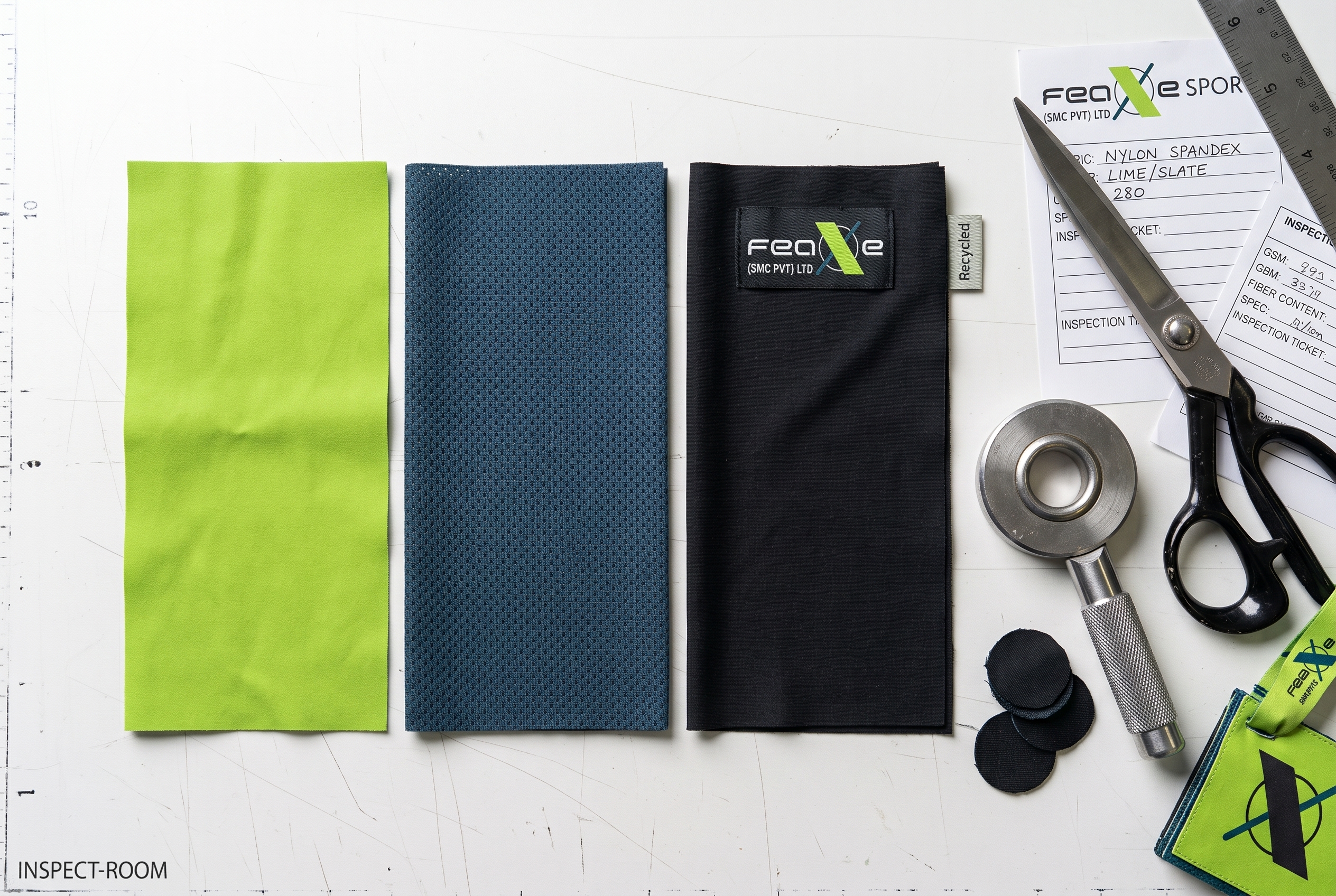
Step 3: Build a Production-Ready Tech Pack
You cannot send an inspiration photo to a factory and expect retail-grade results. To manufacture custom cut-and-sew activewear, you need a detailed sportswear tech pack.
Your tech pack serves as the architectural blueprint for our pattern engineers. It specifies:
- Exact Measurements & Grading: Ensures your compression fit scales accurately from XS to 3XL.
- Stitching Specifications: Dictates where to use anti-chafing flatlock seams (essential for tight leggings and sports bras) versus standard overlock seams (ideal for oversized hoodies).
- Bill of Materials (BOM): Lists every component, including fabric GSM, Pantone color codes, elastic waistband widths, and thread types.
Step 4: Partner with a Low-MOQ OEM Manufacturer
The fastest way to bankrupt a new clothing brand is over-ordering inventory. Traditional mega-factories often demand 1,000+ units per style, locking up your marketing budget in unproven stock.
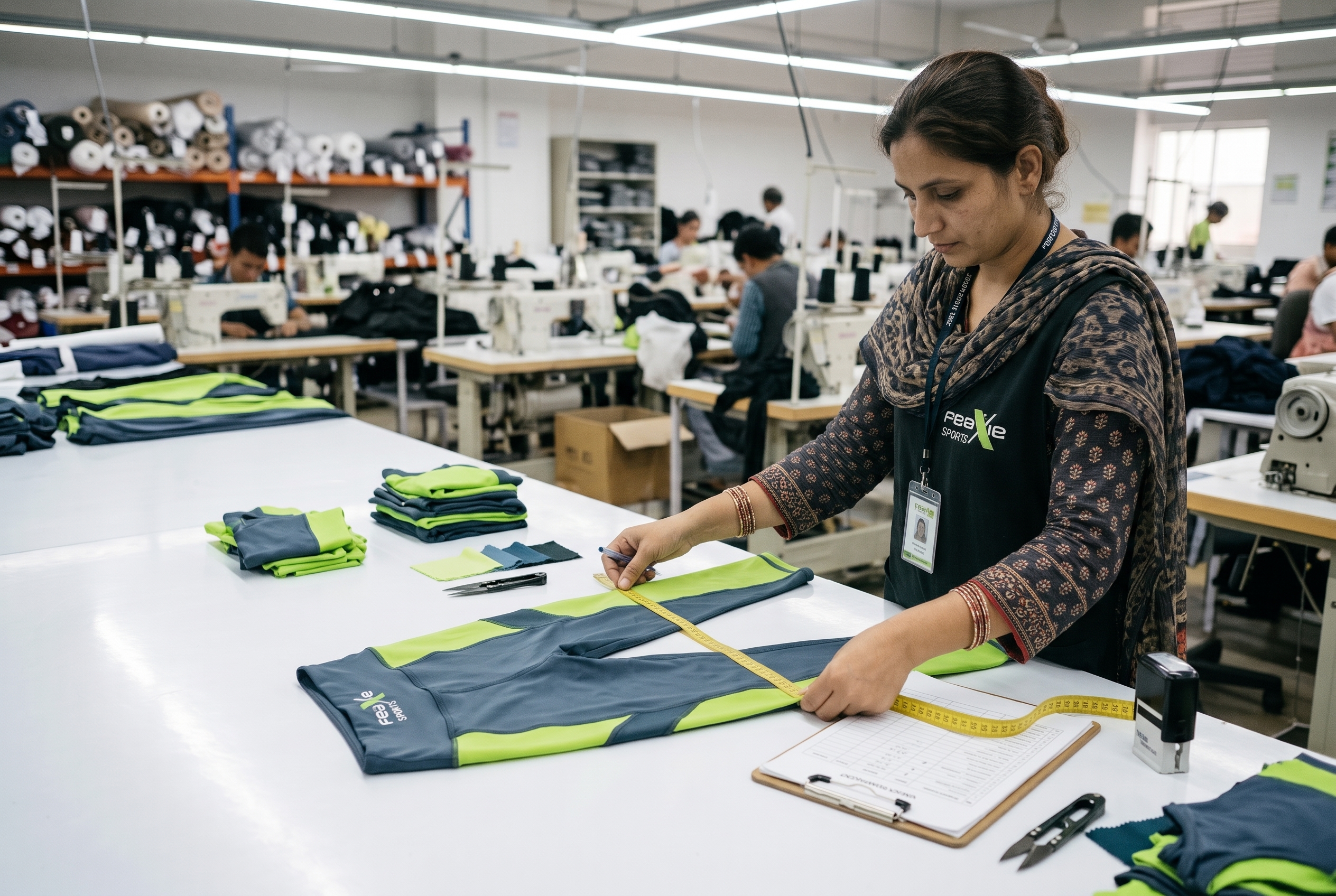
At Feaxe Sports, our Sialkot manufacturing facility is engineered to help emerging brands scale safely. With our 50-piece minimum order quantity per design and colorway, you can launch a complete, cohesive capsule collection without massive capital risk. Better yet, every garment passes through our strict 3-stage garment quality control process before international dispatch, ensuring zero stitching defects or sizing errors.
Step 5: Execute Private Label Tagless Branding
In 2027, the unboxing experience and garment comfort are inseparable from brand loyalty. Traditional woven neck tags scratch and irritate the skin during heavy sweat sessions.
Elevate your perceived retail value by utilizing direct-to-fabric heat-transfer neck labels for a smooth, tagless finish. Pair your garments with custom silicone logos, branded hangtags, and matte frosted polybags so your inventory arrives at your warehouse 100% retail-ready.
Fitness Clothing Brand Startup FAQs
Q: How much capital do I need to start a fitness clothing brand in 2027?
A: By utilizing a low-MOQ manufacturer like Feaxe Sports (50 pieces per style), you can typically fund your initial sampling, a 3-to-4 piece launch capsule, custom packaging, and international freight with a starting inventory budget between $3,000 and $6,000, leaving capital free for digital marketing.
Q: How long does custom activewear manufacturing take?
A: Expect 2 to 3 weeks for physical prototype sampling and revisions. Once you approve the fit and fabric, bulk cut-and-sew production generally takes 3 to 5 weeks, plus 5 to 7 business days for express international air freight.
Q: Can I mix sizes within a 50-piece minimum order?
A: Yes. Your 50-piece MOQ per design and color can be distributed across your full size run (e.g., 10 Small, 15 Medium, 15 Large, 10 XL) to match your target audience’s demand.