
Flatlock vs. Overlock Stitching: The Ultimate Guide for Activewear
When developing a custom clothing line, most brand owners spend weeks obsessing over fabric choices and logo placements, while completely ignoring seam construction. However, the type of stitch used to join your fabric panels together dictates the garment’s durability, aesthetic appeal, and most importantly, its comfort.
In the world of high-performance sportswear and athletic apparel, the debate almost always comes down to two primary techniques: Flatlock vs Overlock stitching. Here is everything you need to know to specify the correct seam in your next tech pack.
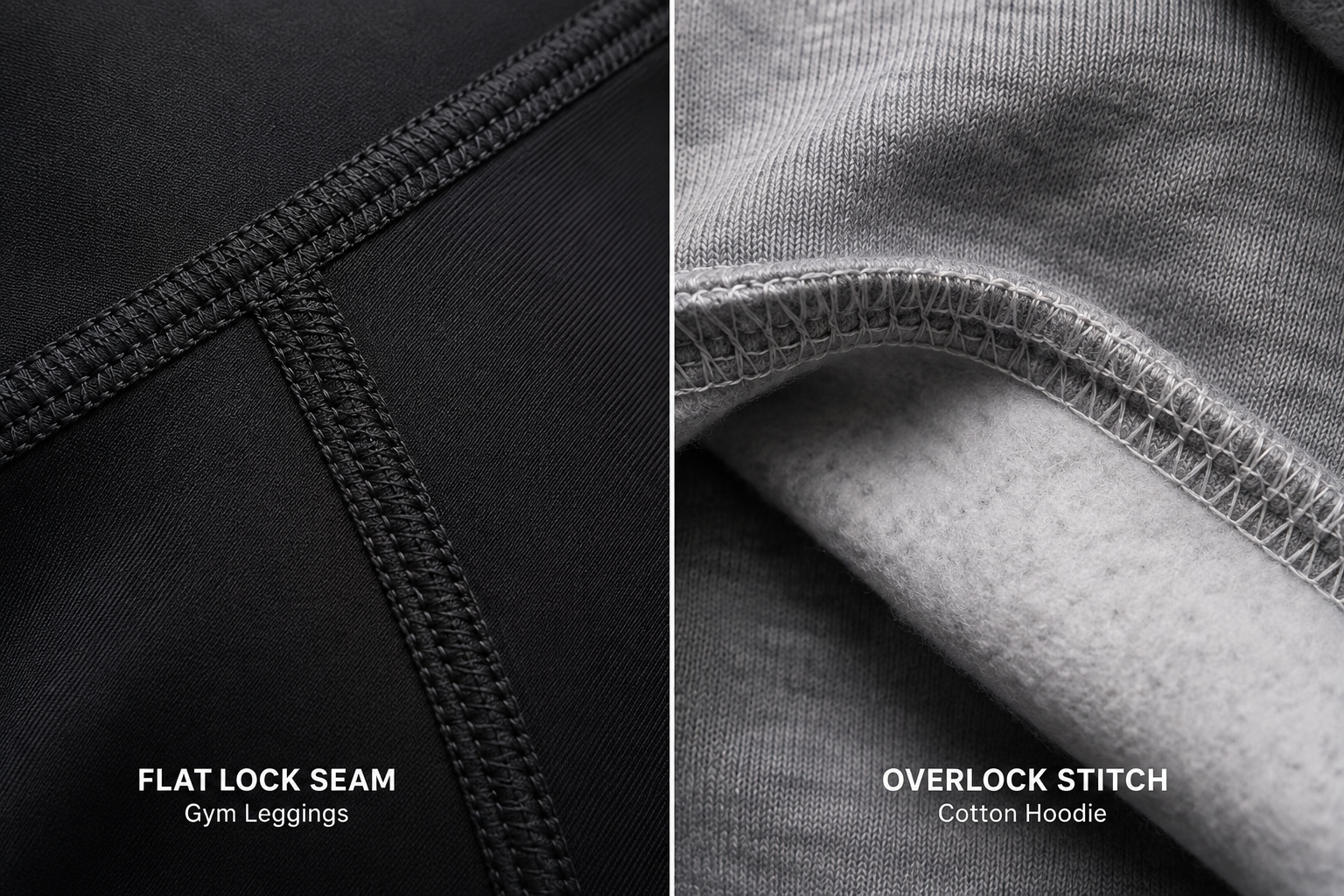
What is Overlock Stitching? (The Industry Standard)
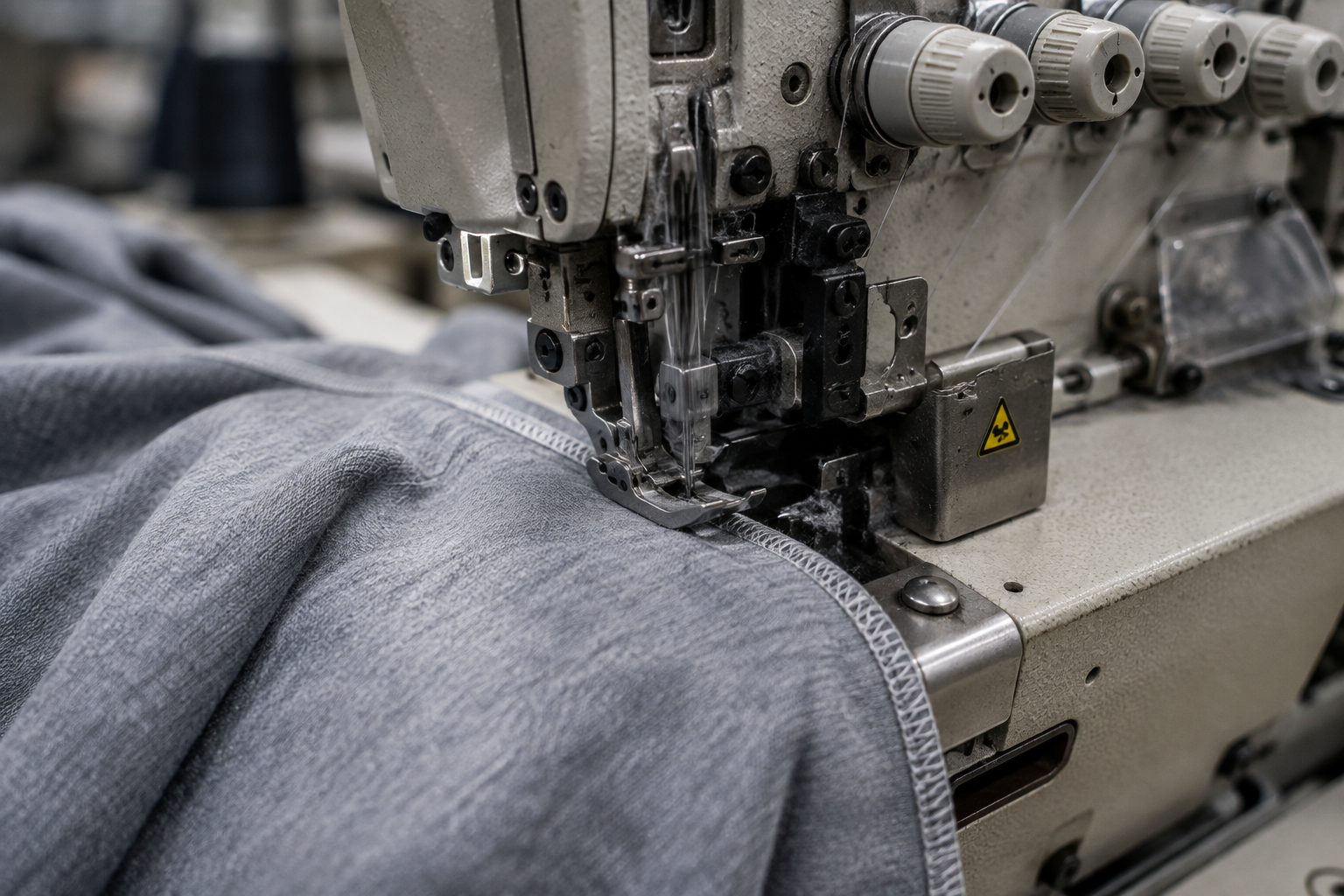
Overlock stitching (often created using a Serger machine) is the undisputed industry standard for cut-and-sew manufacturing. This machine sews over the edge of one or two pieces of cloth for edging, hemming, or seaming.
As the machine stitches, an automated blade trims off the excess fabric edge, creating a perfectly clean finish on the inside of the garment. While incredibly strong and efficient, an overlock seam leaves a small ridge of fabric on the inside of the shirt or pants where the two panels meet.
What is Flatlock Stitching? (The Performance Choice)
Flatlock stitching is a specialized sewing technique where two pieces of fabric are joined edge-to-edge without overlapping. The machine sews the panels together with a complex web of threads, resulting in a seam that is completely flat on both the inside and outside of the garment.
Because there is no bulk or fabric ridge left on the interior, a flatlock seam sits entirely flush against the skin, making it the premium choice for tight-fitting garments.
Head-to-Head: Flatlock vs. Overlock
Comfort and Anti-Chafing
The Winner: Flatlock. If you are manufacturing compression gear, yoga leggings, or base layers, flatlock stitching is mandatory. Because it sits flat against the body, it eliminates the chafing and skin irritation that occurs when athletes move rapidly. Overlock seams, due to their interior ridge, can cause severe friction in tight garments.
Aesthetics and Design
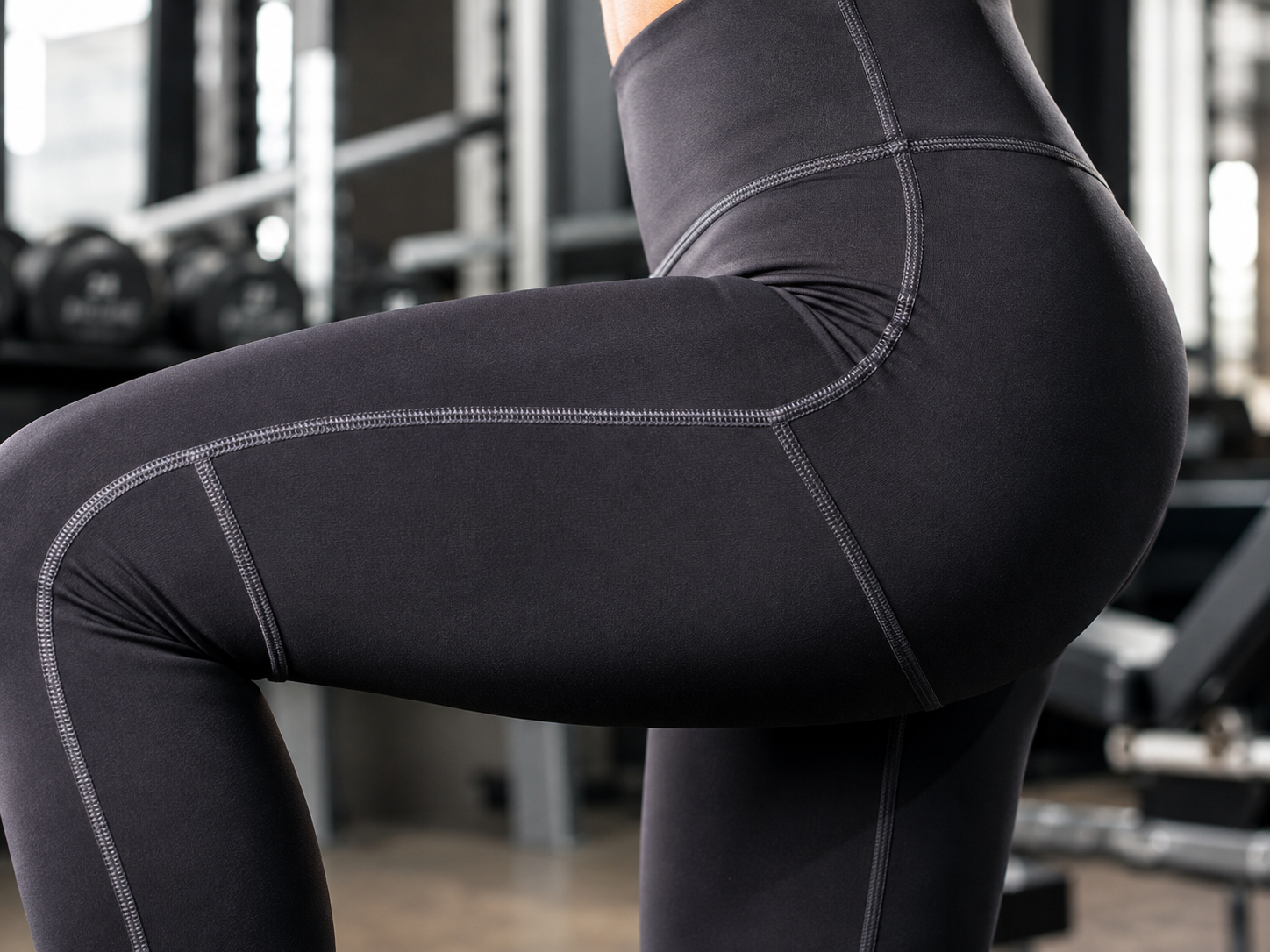
The Winner: It depends on your vision. Overlock seams are hidden on the inside, leaving a clean, traditional look on the outside (ideal for streetwear and oversized hoodies). Flatlock seams, however, are highly visible on the exterior, creating a sporty, paneled aesthetic. Many brands even use contrasting thread colors on their flatlock seams to make the stitching a core part of the design.
Manufacturing Equipment and Costs
The Winner: Overlock. Overlock machines are standard in every textile factory globally, making them highly cost-effective and fast. Flatlock machines are expensive, highly specialized pieces of equipment that require specialized operators, which can slightly increase the cost per unit.
Which Stitch Should You Use for Your Clothing Line?
The rule of thumb in apparel manufacturing is simple: If the garment is designed to be loose-fitting (like a heavyweight hoodie, sweatpants, or a standard t-shirt), specify an overlock stitch in your tech pack. If the garment is tight-fitting and designed for intense physical movement (like gym leggings, rash guards, or sports bras), specify a flatlock stitch.
At Feaxe Sports, our Sialkot manufacturing floor is equipped with advanced industrial machinery for both techniques. Submit your activewear designs today to start production with our accessible 50-piece minimum.